Effortless Marketing: Real Estate Postcard Template Design
In the competitive world of property sales, the ability to grab attention in a crowded mailbox is not just an advantage; it is a necessity. While digital marketing dominates the conversation, the tactile nature of direct mail remains a potent tool for agents looking to establish a local presence. However, the gap between a generic flyer and a high-converting marketing piece often comes down to design quality. This is where having access to a robust Real Estate Postcard Template Design becomes a game-changer, bridging the gap between professional agency output and the agility of an independent agent.
When you are juggling open houses, client negotiations, and listing appointments, sitting down to design a postcard from scratch is rarely feasible. You need a solution that offers both speed and sophistication. The features of a professional template—specifically those designed with print-readiness in mind—ensure that your final product looks as sharp on paper as it does on screen.
The Anatomy of a Professional Print Asset
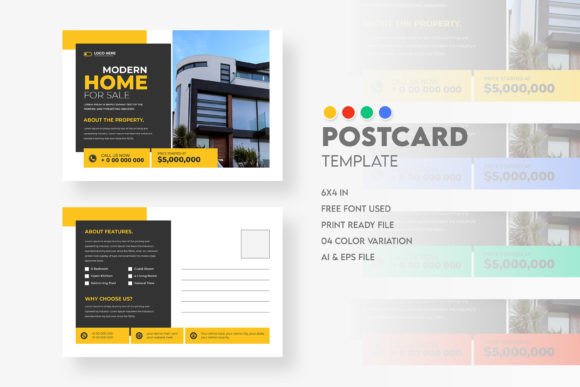
It is easy to underestimate the technical requirements of print design until a job comes back looking muddy or pixelated. A defining characteristic of a high-quality template is its technical foundation. For instance, a template set up in RGB Color mode with 300 DPI resolution ensures that the vibrant colors you see on your monitor translate to rich, saturated hues on the card stock. This level of detail is crucial for real estate photography, where the texture of a kitchen counter or the lush green of a front lawn needs to pop.
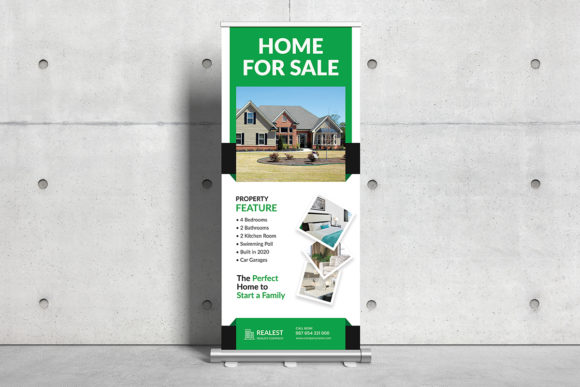
Furthermore, the inclusion of Adobe Illustrator (.Ai CC) and EPS files offers a level of control that raster-based software simply cannot match. Vector-based designs mean that every element—from the header typography to the contact information block—remains crisp and clean, regardless of how much you zoom in. This is particularly important for the fine print regarding licensing or brokerage information. When a template package includes a High-Resolution mockup image, it also allows you to preview exactly how the finished product will look, eliminating the guesswork and costly reprints.
Practical Applications Beyond the Mailbox
While the primary goal is often a direct mail campaign, a versatile Real Estate Postcard Template Design serves as a cornerstone for broader brand identity efforts. The visual language established in a postcard—its color palette, typography, and layout rhythm—should not exist in a vacuum. Smart marketers repurpose these assets across multiple channels to create a cohesive experience.
Consider how the design elements can be adapted for:
- Social Media Graphics: The 6” x 4” print aspect ratio translates beautifully to Instagram and Facebook posts. You can easily strip away the mailing address block and use the remaining layout to announce a new listing or a price drop.
- Digital Newsletters: The header sections of the postcard can serve as banner images for email campaigns, ensuring that your digital correspondence matches your physical outreach.
- Presentation Decks: When pitching to potential sellers, a slide deck that mirrors the aesthetic of your marketing materials demonstrates attention to detail and professionalism.
By treating the postcard template as a design asset rather than a single-use item, you maximize your return on investment. The Fully Editable nature of these files allows you to swap out photos and text, meaning the same layout can serve a luxury condo listing just as effectively as a suburban family home simply by changing the imagery.
Customization and Typography Strategy
One of the most common pitfalls in DIY design is poor typography. A template helps mitigate this by providing a starting point, but understanding how to manipulate it is key. The inclusion of Free fonts in the package is a significant benefit, as it removes the barrier of entry for those on a budget. However, the real power lies in the ability to customize.
When editing your Real Estate Postcard Template Design, pay close attention to the hierarchy of information. Real estate is information-dense; you have the property address, the price, the agent's name, phone number, website, and often a call to action. A well-designed template uses modern typography to guide the eye.
- The Hook: usually a bold, sans-serif headline that demands attention.
- The Details: Clean, readable body text that describes the property.
- The Action: A distinct font or button style for the "Call Now" or "Visit Website" instruction.
Do not be afraid to experiment with font pairing. If the template uses a sans serif font for the headers, consider if a serif font might add a touch of elegance for the body text, or vice versa. The goal is readability. If a potential buyer has to squint to read your phone number because the font is too stylized, you have lost a lead.
Streamlining Workflow for Agents and Designers
For real estate agents who wear many hats, or for designers servicing the real estate niche, efficiency is currency. A package that includes a help file and organized layers is not just a convenience—it is a productivity tool. Instead of troubleshooting file compatibility or hunting for hidden layers, you can open the file, drag and drop your high-resolution listing photos, and update the text.
This streamlined workflow allows for rapid turnaround. In a market where a listing can go from "Coming Soon" to "Sold" in a matter of days, the ability to design, proof, and send a postcard to the printer within an hour is a tactical advantage. It ensures that your marketing materials hit doorsteps while the property is still fresh and generating buzz.
Ensuring Visual Consistency Across Listings
Brand recognition is built through repetition and consistency. If every postcard you send looks radically different, you are essentially starting from scratch with every new marketing push. By utilizing a standardized Real Estate Postcard Template Design, you create a visual signature that your sphere of influence begins to recognize.
This does not mean every card must be identical. Rather, the structural elements—the placement of your headshot, the location of the brokerage logo, the style of the header—should remain consistent. This consistency signals professionalism. It tells the recipient that you are an organized, detail-oriented professional who takes their business seriously.
Ultimately, the goal of any design asset is to remove friction between the creator and the final product. With easy to customize features and print-ready specifications, a high-quality template empowers you to produce materials that rival those of top-tier agencies. It allows you to focus less on the mechanics of design and more on the strategy of selling homes, ensuring that your marketing collateral is always working as hard as you are.