Streamline Your Business with Professional Invoice Design
Let’s be honest, the administrative side of running a creative business can feel like a chore. You pour your energy into crafting beautiful designs, building client relationships, and delivering exceptional work. Then comes the part that many of us dread: sending the invoice. But what if that final touchpoint could actually reinforce your brand’s professionalism and streamline your entire workflow? A thoughtfully constructed document isn’t just a bill; it’s the final piece of your client’s project experience. It’s about presenting your hard work with clarity and getting paid promptly, without the hassle of wrestling with formatting every time a job is done.
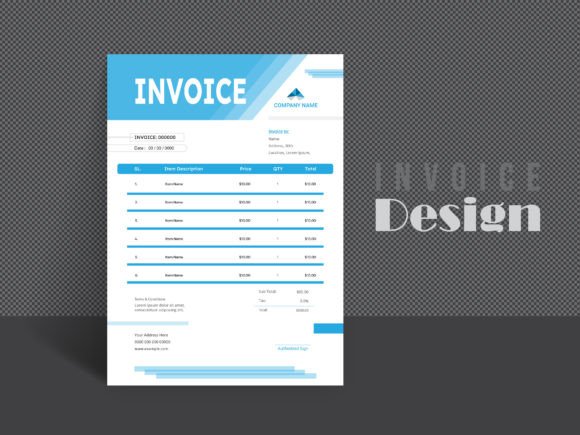
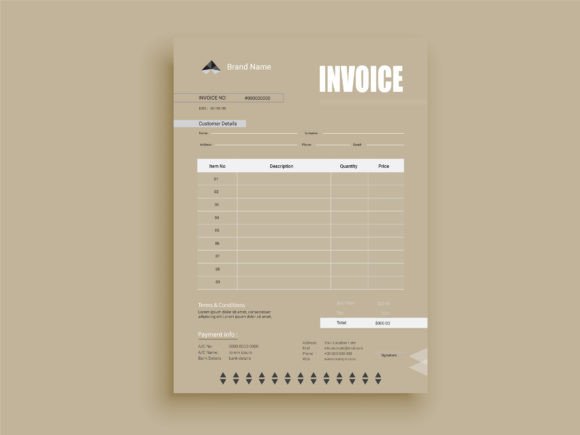
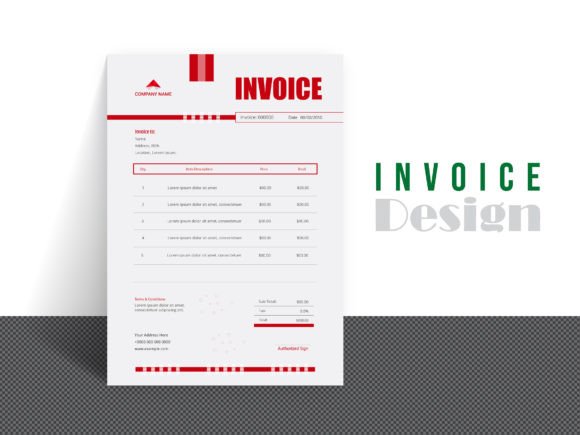
This is where a dedicated template system changes the game. Imagine having a file that’s already structured to list and count every single element on every project you undertake. It’s designed to be a comprehensive toolkit, ready for you to send and get paid from your client efficiently. The beauty of a professional template lies in its adaptability. This particular file is fully editable and customizable across the platforms you already use daily: Adobe Illustrator, Adobe Photoshop, and Microsoft Word. This means no new software to learn, just a smarter way to use the tools you have.
Beyond the Bill: Reinforcing Your Brand Identity
Every interaction with a client is a branding opportunity. Your invoice is often the last document they see before payment, making it a powerful piece of your brand identity. A generic, poorly formatted bill can undermine the premium service you just provided. Conversely, a clean, well-designed document that matches your other marketing assets—from your logo design to your website—communicates attention to detail and professionalism.
Think about the visual consistency. If your brand uses a specific color palette, a modern sans serif font, and a minimalist layout, your invoice should reflect that. This isn’t about flashy graphics; it’s about cohesive visual communication. When your client opens a PDF that looks and feels like your proposal, your mood boards, and your thank-you notes, it builds subconscious trust and reinforces your brand recognition. It shows you care about every aspect of the business relationship, not just the creative work.
The Anatomy of a Practical, Editable Template
What makes a template truly useful for a busy small business owner or freelance designer? It starts with the technical foundation. This file is built at A4 size with bleed, which is the standard for professional print materials. The 300 DPI resolution ensures any text or vector elements will be crisp and sharp, whether viewed on screen or printed. But the real value is in the organized layers and editable color mode.
Being able to change the color scheme to match your client’s project or your own brand in minutes is a huge time-saver. The layers are well-organized, meaning you won’t waste time hunting for the text box with your business address or the line item section. It’s designed for efficiency. The inclusion of both AI and EPS vector files means the design is scalable to any dimension without losing quality—perfect if you ever need to incorporate it into a larger print material or a digital portfolio. The JPEG file provides a quick, non-editable preview option.
Let’s break down the practical features that solve real problems:
- Easy to Use: The layout is intuitive, designed for quick entry of project details, hours, or itemized costs. This is crucial when you’re managing multiple digital products or client projects simultaneously.
- Free Fonts Used: This removes a common hurdle. You won’t need to purchase additional premium fonts to make the template work, keeping your costs down. The included typography is chosen for readability and professional presentation.
- Print Ready: The file is set up correctly for professional printing, saving you a trip back and forth with a print shop to fix margins or color issues. This is essential for creating high-quality print materials like invoices or detailed statements.
- Vector and Scalable: This future-proofs your asset. Whether you need a tiny icon version for an email signature or a large format for a presentation, the integrity of the design remains.
Integrating This Asset into Your Creative Workflow
This template’s utility extends far beyond a simple billing sheet. Its clean, structured design makes it a versatile design asset for various business needs. For the creative entrepreneur or content creator, it can be adapted into a detailed project proposal, a packing slip for merchandise, or an order confirmation for digital products. The well-organized structure is perfect for creating clear, itemized lists that clients appreciate.
Consider the marketing professional or brand strategist. You could use this as a base for creating professional service agreements, detailed campaign breakdowns, or branded budget summaries. The key is its role in improving visual consistency across all your business communications. When every document shares the same typographic hierarchy and spatial harmony, your entire operation looks more polished and trustworthy.
For those in editorial design or running a blog, the template’s layout principles can inspire the creation of media kits, contributor guidelines, or sponsorship rate cards. The focus on clear sectioning and readability is a universal design principle that translates across formats, from web design to packaging design.
Practical Tips for Customization and Use
Once you have the file, a few simple steps will make it uniquely yours. Start by updating the color palette to your brand’s primary and secondary colors. This single change instantly personalizes the document. Next, review the font styles included. While the template comes with free, readable fonts, you might want to swap them with your own brand typefaces if you have a specific font pairing you use across your social media graphics and website. Just ensure the new fonts maintain the same level of clarity and professionalism.
Always proofread the static information—your business name, address, email, and payment terms—before saving it as your master template. Then, for each new project, you simply duplicate the file, update the client details and line items, and save it as a new PDF. This process ensures you never accidentally overwrite your clean original.
Remember, the goal is to make this asset work for you. It should reduce friction in your billing process, not add to it. By taking thirty minutes to set it up initially, you save countless hours down the line and present a consistently professional face to every client you work with. It’s a small investment in your business infrastructure that pays dividends in efficiency and brand perception.