The Modern Edge: Designing Your Professional Identity
In the fast-paced world of networking, your business card is often the first tangible representation of your brand that a potential client or partner holds. It’s more than just contact information; it’s a tactile introduction, a small canvas that speaks volumes about your professionalism, style, and attention to detail. For entrepreneurs, freelancers, and small business owners, the pressure to make a lasting impression is real, but the process of creating a standout card doesn’t have to be complicated or expensive. The solution lies in smart, adaptable design assets that put you in the creative driver's seat.
Crafting a Lasting Impression with Minimalist Design
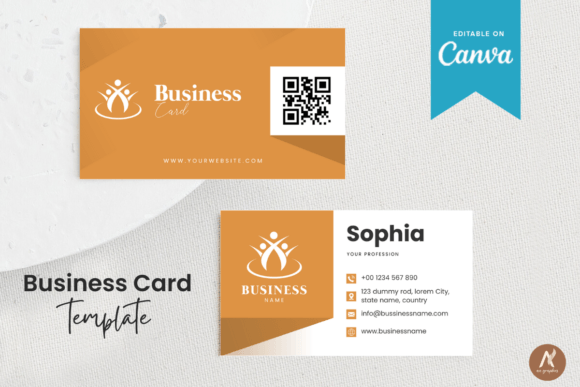
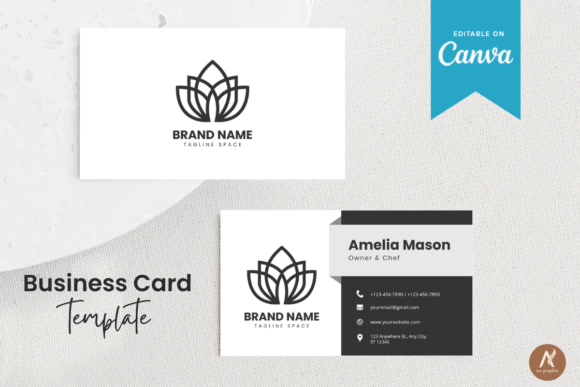
The power of a well-designed business card template is its ability to balance simplicity with impact. A modern, dark-colored aesthetic immediately conveys sophistication and confidence. Think of the deep charcoal, slate, or navy backgrounds that make metallic foils or crisp white text pop. This approach isn’t just trendy; it’s strategic. A clean, minimal layout ensures your most critical details—your name, title, and contact information—are instantly legible and memorable. It removes visual clutter, allowing the quality of the design and the weight of the card stock (in a physical print) to communicate the quality of your work. For a graphic designer, this template serves as a perfect portfolio piece in miniature. For a consultant or coach, it projects an aura of established authority and clarity. The editable nature of a template like this means you can maintain this professional consistency across all your brand identity materials, from your website to your social media graphics.
From Digital File to Physical Handshake: Practical Applications
Understanding the full scope of what a versatile template offers is key to maximizing its value. While the primary output is a printable business card, the design elements within are incredibly useful for broader marketing assets. Consider these practical applications:
- Brand Cohesion: The colors, fonts, and layout style can be directly translated to letterheads, invoices, and presentation decks, creating a seamless visual consistency that strengthens brand recognition.
- Digital Extensions: Use the design as a starting point for your email signature, LinkedIn banner, or podcast cover art. The modern typography and color scheme are perfectly suited for web design and social media graphics.
- Packaging & Merchandise: If you sell products, the minimalist design can inspire hang tags, thank you cards, or even the aesthetic for packaging design. For creators, it could inform the look of sticker sheets or notebook covers.
- Event & Editorial Use: The template’s structure can be adapted for event invitations, speaker bios at conferences, or the design of contributor pages in a magazine or blog, showcasing strong editorial design principles.
The key is viewing the template not as a one-off item, but as the foundational piece of a larger design asset library for your brand. This mindset shift from a single product to a scalable system is what separates reactive design from strategic branding.
Empowering Your Creative Process with Canva
One of the most significant advantages of a modern editable template is the elimination of technical barriers. You no longer need advanced software skills or expensive subscriptions to achieve a professional result. Hosting the template on a platform like Canva democratizes the design process. Here’s how this approach empowers you:
- Accessibility & Ease: With a free Canva account, you can access and edit the template directly in your browser. This means you can work on your design from anywhere, on any device, without needing to install software.
- Intuitive Customization: Changing the text to your details is straightforward. More importantly, you have complete control to customize with your brand colors and easily edit colors and fonts. This allows you to truly make the design your own, aligning it perfectly with your existing brand identity.
- Rapid Prototyping: You can create multiple versions in minutes. Want to see how your card looks with a different font pairing? A few clicks. Need a version for a different aspect of your business? Duplicate and modify. This agility is invaluable for testing what resonates with your audience.
This user-friendly approach means the focus shifts from struggling with tools to focusing on the creative and strategic decisions that matter most for your business.
Strategic Choices: Typography and Color Psychology
While the template provides a stunning starting point, the most powerful branding happens when you infuse it with your unique personality. This is where thoughtful choices in modern typography and color come into play. The included font suggestions are curated for readability and style, but don’t be afraid to experiment.
Consider the message you want to send. A sleek sans serif font often communicates modernity, efficiency, and approachability—ideal for tech startups or creative agencies. A refined serif font can add a touch of tradition, reliability, and elegance, suitable for law firms or luxury boutiques. If your brand has a more personal, artisanal feel, a tasteful script font or handwritten font for your name can add warmth, but always ensure it remains legible at a small size.
Color is equally powerful. The dark base of this template is a versatile canvas. A bright accent color can convey energy and innovation, while a muted metallic can suggest premium quality. Use color strategically to highlight key information and evoke the right emotional response. Always test your final design by printing a sample or viewing it on different screens to ensure the readability is perfect and the colors reproduce as intended.
Beyond the Template: Building a Scalable Brand Identity
Ultimately, an editable business card template is a catalyst. It’s a tool that saves you time and money while delivering a professional presentation. Its true value is realized when you use it as the cornerstone for a cohesive visual language. By applying its design principles to your logo design explorations, your packaging design, and your digital products, you build a brand that feels intentional and unified at every touchpoint.
This consistency does more than just look good; it builds trust. When a client sees the same thoughtful design on your card, your website, and your Instagram feed, it reinforces your brand recognition and audience engagement. It tells a story of a business that pays attention to detail, values quality, and understands the power of visual communication. So, take this modern, clean foundation and build something that doesn’t just share your information, but truly represents your vision.